What is a Rug Pull and How Does It Work in Crypto Trading
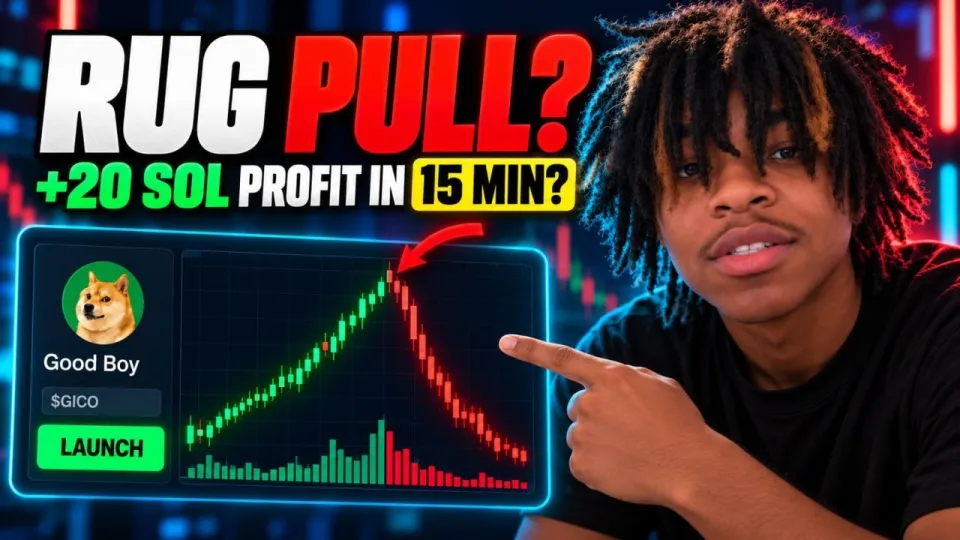
Video: Launching Your Own Meme Coin & Rug Pull Guide | Rug Pull
· based on the channel Ecole Nadjm el Maarifa- مدرسة نجم المعرفة
A rug pull is a type of crypto scam where project developers suddenly withdraw liquidity or abandon the project, leaving investors with worthless tokens. This fraudulent act causes the token's price to crash dramatically, effectively stealing investors' funds. Understanding what a rug pull is and how it operates is critical for anyone involved in crypto trading, especially in high-risk areas like meme coins and DeFi projects.
How Does a Rug Pull Happen
Rug pulls typically occur in newly launched tokens, especially meme coins, where developers create hype and attract investors to a liquidity pool. Once enough capital is locked in, the developers withdraw all liquidity, causing the token price to plummet. This leaves investors unable to sell their tokens at a reasonable price. The process generally follows these steps:
- Developers launch a token and set up a liquidity pool on decentralized exchanges.
- They create hype around the token to attract buyers.
- Investors lock funds by purchasing the token and adding liquidity.
- Developers remove liquidity suddenly, crashing the token price.
This method is common because liquidity pools control token price and trading capability. Without liquidity, tokens become unsellable, trapping investors 02:15.
Launching Your Own Meme Coin and Risks Involved
Launching a meme coin involves deploying a smart contract and adding liquidity to decentralized exchanges. While this process can be legitimate, it also opens the door to rug pulls if developers exploit their control over liquidity. The video from Ecole Nadjm el Maarifa explains the technical steps of launching a meme coin, highlighting how easy it is to manipulate liquidity pools and perform rug pulls 04:30. Key steps include:
- Deploying token smart contract with customizable parameters.
- Creating liquidity pairs on exchanges like Uniswap.
- Controlling liquidity pool tokens allowing removal of funds.
If developers hold the liquidity tokens, they can withdraw liquidity whenever they choose, often after raising significant funds from unsuspecting buyers.
Identifying and Avoiding Rug Pulls
Preventing rug pulls starts with thorough research and due diligence. Key indicators to watch for include:
- Anonymous or unverified developers.
- No liquidity lock or a short lock period.
- Sudden large liquidity movements or withdrawals.
- Lack of transparent roadmap or auditing.
- Overhyped projects with unrealistic promises.
Tools and services exist to check liquidity locks and smart contract audits. Investors should avoid projects without verifiable audits or those that allow developers to control liquidity tokens freely 07:10.
Impact of Rug Pulls on Investors and the Market
Rug pulls cause significant financial losses for investors and damage trust in the crypto ecosystem. Victims are often retail investors drawn by hype and FOMO (fear of missing out). These scams also discourage participation in new projects and innovation. Regulatory bodies monitor such scams, but decentralized finance's anonymous nature makes enforcement challenging.
How to Protect Yourself from Rug Pulls
To minimize risk, investors should:
- Verify if liquidity is locked and for how long.
- Check developer credentials and community reputation.
- Use audited smart contracts only.
- Avoid projects promising guaranteed returns or unrealistic gains.
- Diversify investments and never invest more than you can afford to lose.
By applying these precautions, it is possible to reduce exposure to rug pulls and other crypto scams.
Conclusion
A rug pull is a deceptive practice where crypto project creators withdraw liquidity, causing token prices to collapse and resulting in investor losses. This scam is prevalent in meme coins and decentralized finance due to ease of launching tokens and liquidity manipulation. Understanding how rug pulls work, recognizing warning signs, and conducting careful research are essential for protecting investments. The detailed explanation and technical insights from the channel Ecole Nadjm el Maarifa- مدرسة نجم المعرفة provide valuable guidance on this topic.
Launching Your Own Meme Coin & Rug Pull Guide | Rug Pull by Ecole Nadjm el Maarifa- مدرسة نجم المعرفة is a recommended resource for deeper understanding and practical knowledge about rug pulls and meme coin launches.
Key takeaways
- A rug pull is a scam where developers abandon a crypto project and steal investors' funds.
- Rug pulls often occur in new meme coins or DeFi tokens with low liquidity.
- Launching a meme coin requires creating a smart contract and liquidity pool but can be exploited for rug pulls.
- Detecting rug pulls involves analyzing project transparency, liquidity locks, and developer reputation.
- Rug pulls can be prevented by using audited contracts and avoiding anonymous projects.
Source: Launching Your Own Meme Coin & Rug Pull Guide | Rug Pull · Markdown version
Questions & answers
What exactly is a rug pull in crypto trading?
A rug pull is a scam where developers of a crypto project suddenly withdraw liquidity from the market, causing the token's price to crash and leaving investors with worthless tokens.
How can I identify a potential rug pull before investing?
Look for signs like anonymous developers, no liquidity lock, lack of audits, unrealistic promises, and sudden large liquidity changes to spot possible rug pulls.
Is launching a meme coin always risky or can it be done safely?
Launching a meme coin can be safe if the project is transparent, liquidity is locked, smart contracts are audited, and developers have a good reputation.
What steps can investors take to protect themselves from rug pulls?
Investors should verify liquidity locks, check developer credibility, use audited contracts, avoid projects with unrealistic claims, and diversify their investments.